Lauderhill, FL · Broward County
Desiccant Dehumidification in Lauderhill, FLFlood Drying Services & Emergency Dehumidification
After a flood, Desiccant Dehumidification in Lauderhill means flood drying services, emergency dehumidification and water damage dehumidification.
Answered 24/7
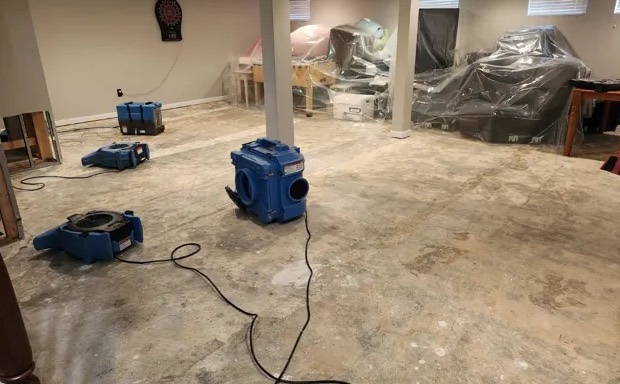
Desiccant Dehumidification Solutions in Lauderhill, Florida
Desiccant dehumidifiers dry air differently from the refrigerant units most people know. Instead of cooling air to condense water, they pass it over a material that absorbs moisture, which lets them keep working in cool spaces and reach very low humidity.
In Lauderhill, Plantation, Lauderdale Lakes and Sunrise, builders sometimes need slabs and drywall dried before flooring goes in. The pros lower humidity on the job site to speed that up.
Desiccant Dehumidification Methods Used in Lauderhill
Flood Drying Services
Floodwater is treated as contaminated, so soaked porous materials are removed and surfaces cleaned before drying starts.
Emergency Dehumidification
Emergency dehumidification starts as soon as standing water is removed, which limits swelling, warping and odor.
Firefighting Water Drying
Drying after a fire is done once wet debris is removed, so the structure dries cleanly before rebuilding.
Crawl Space Drying
Crawl spaces are cool and damp, which suits desiccant units. Dry air is pushed in to pull moisture from the joists and subfloor.
Water Damage Dehumidification
Dehumidification runs alongside air movers, and readings are taken daily until every wet material is back to normal.
Red Flags for Desiccant Dehumidification in Lauderhill Properties
Warped Wood Floors or Trim
Wood floors or trim that cup or warp after a leak are still taking on moisture.
Recent Water Damage Event
Any recent leak or flood that soaked drywall, flooring or framing needs drying beyond a household unit.
Active Mold Spots
Dark spots appearing on walls or ceilings mean materials stayed damp long enough for mold.
Strong Damp Odor in Rooms
A damp smell that stays in a room after cleanup means materials there are still holding moisture.
How Desiccant Dehumidification Works in Lauderhill
Step 1: First Call and Setup
Help is available any hour, and drying equipment is set up as soon as standing water is removed.
Step 2: Dry Air Environment
The space is closed off so dehumidifiers can bring humidity down quickly.
Step 3: Continuous Moisture Removal
Equipment runs around the clock, pulling moisture from walls, floors and framing.
Step 4: Restoration Verification
Readings are compared to unaffected dry areas before any equipment is removed from the site.
What Leads to Humidity Damage Needing Desiccant Dehumidification in Lauderhill
Appliance Malfunctions and Overflows
Washers, dishwashers and water heaters that leak leave wet floors, cabinets and walls.
Roof Leaks From Damaged Shingles
Roof leaks from damaged shingles soak attic insulation, roof decking and the ceilings below.
Foundation Cracks and Seepage
Foundation cracks let groundwater seep into lower levels, keeping walls and floors damp.
New Construction Moisture Trapped
New concrete, drywall mud and framing on job sites hold moisture until they are dried.
Desiccant Dehumidification for All Property Types in Lauderhill
Residential Desiccant Dehumidification
In homes, desiccant drying is most often used in crawl spaces and cool lower levels after leaks or floods. Standard units are used in warm rooms where they work well.
Commercial Desiccant Dehumidification
In commercial buildings, high-capacity desiccant units can dry large floors and high-ceiling spaces after sprinkler leaks or floods, with drying planned around business hours.
The Limits of DIY Desiccant Dehumidification in Lauderhill
Do not run drying equipment on materials soaked by sewage or floodwater before they are cleaned or removed, since that spreads contamination through the house.
Investing in Desiccant Dehumidification for Lauderhill Properties
Repairs after drying are a separate cost. In Lauderhill, fully dried materials often mean fewer repairs are needed.
Type of Water Damage
Floodwater and sewage need cleaning and removal of materials before drying, which adds cost.
Moisture Saturation Level
Materials that are fully soaked take longer to dry than lightly damp ones.
Additional Restoration Steps
Extraction, material removal and cleaning before drying are separate steps that add to the total.
Does Insurance Cover Desiccant Dehumidification?
Coverage for desiccant dehumidification depends on the cause of the water and your policy. The pros document the drying, and your insurer decides what is covered.
Benefits of Local Pros for Desiccant Dehumidification in Lauderhill
Desiccant Equipment
Desiccant units are used where they fit, such as cool spaces, crawl spaces and large buildings.
Detailed Moisture Documentation
Daily humidity and moisture readings are logged to show progress and support insurance claims.
Large Projects
Large buildings and job sites get drying plans that keep work and business moving.
24/7 Emergency Desiccant Dehumidification in Lauderhill
Wet materials keep soaking up moisture from damp air until drying starts. Call (561) 794-2954 for desiccant dehumidification in Lauderhill at any hour.
Call Now (561) 794-2954Desiccant Dehumidification Throughout Broward County, Plantation, Lauderdale Lakes and Sunrise
Need desiccant dehumidification outside Lauderhill? Service also covers Plantation, Lauderdale Lakes and Sunrise, including emergency drying after hours.
- Desiccant Dehumidification in Plantation
- Desiccant Dehumidification in Lauderdale Lakes
- Desiccant Dehumidification in Sunrise
- Desiccant Dehumidification in Fort Lauderdale
- Desiccant Dehumidification in Wilton Manors
- Desiccant Dehumidification in North Andrews Gardens
- Desiccant Dehumidification in Tamarac
- Desiccant Dehumidification in Oakland Park
Desiccant Dehumidification Information: Your Questions
How does a desiccant dehumidifier work differently?
It passes air over a material that absorbs moisture instead of cooling the air, so it keeps working in cool conditions.
Can desiccant dehumidification dry behind walls?
Dry air helps, especially when directed into wall cavities through small openings, with readings to confirm results.
Why use desiccant drying after a fire?
Firefighting water soaks large areas, and high-capacity drying helps remove that moisture once debris is cleared.
What does water damage dehumidification include?
Taking readings, placing dehumidifiers and air movers, logging progress daily and confirming materials are dry.
What is desiccant dehumidification used for?
Drying spaces after water damage where standard dehumidifiers struggle, such as cool crawl spaces, large buildings and dense materials.