Lauderhill, FL · Broward County
Roof Leak Water Removal in Lauderhill, FLWet Insulation Removal & Emergency Roof Tarping
Local water damage pros in Lauderhill provide roof leak water removal with emergency roof tarping, wall cavity drying and structural drying services.
Answered 24/7
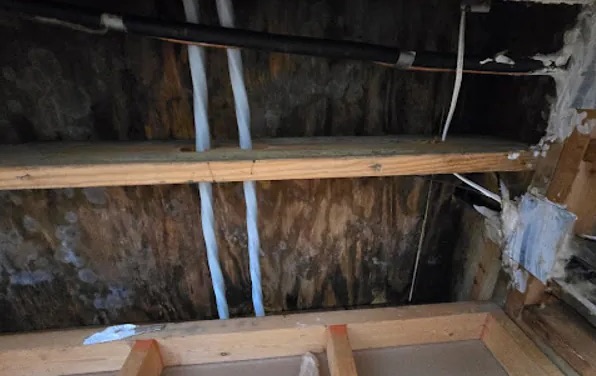
Water From a Roof Leak in Lauderhill, Florida
In Lauderhill, most roof leak calls start with a brown stain on the ceiling or water dripping from a light fixture during a storm.
Roof leak water removal is available in Lauderhill and nearby Plantation, Lauderdale Lakes and Sunrise. The pros tarp the opening if needed, extract the water and dry the attic framing and ceiling drywall.
Attic and Ceiling Water Removal in Lauderhill
Wet Insulation Removal
Wet insulation loses its value and flattens. Removing it exposes the ceiling drywall and joists so air movers and dehumidifiers can reach them.
Emergency Roof Tarping
Tarping is a stopgap. It keeps the next rain out of the attic and ceilings until a roofer can replace the decking, flashing or shingles.
Leak Source Identification
The pros follow the water trail from the stain up through the attic to the decking, flashing or vent where rain is getting in, and note it for the roofer.
Wall Cavity Drying
Roof leaks often run down inside exterior walls. The pros check wall cavities under the leak and dry them through small holes or by removing the baseboard.
Attic Water Extraction
The pros remove standing water from the attic first, because a ceiling holding water can sag and give way under the weight.
Signs You Need Roof Leak Water Removal
Damp Baseboards on Exterior Walls
Wet or swelling baseboards under a ceiling stain mean water has traveled down the wall cavity from the attic.
Peeling Paint on Upper Walls
Bubbling or peeling paint near the ceiling line on exterior walls points to water running down inside the wall.
Musty Smell After Rain
A damp, musty smell that gets stronger after storms often means insulation in the attic is staying wet.
Rusty Nails in the Attic
Rust on roofing nails or metal straps in the attic means moisture has been collecting there over many rains.
How Roof Leak Water Removal Works in Lauderhill
Step 1: Safety Check
Power to wet ceiling fixtures is shut off and sagging areas are marked so no one walks under them during the work.
Step 2: Roof Tarp and Extraction
The roof is tarped if rain is still possible, then water is removed from the attic, ceiling cavities and floors.
Step 3: Drying Setup
Dehumidifiers and air movers are placed in the attic and the rooms below so both levels dry at the same time.
Step 4: Final Readings
When the wood and drywall read dry, equipment is removed and the roofer and drywall repairs can be scheduled.
Where Roof Leaks Start in Lauderhill
Nail Pops and Old Penetrations
Nails that back out and holes left from old dishes or antennas open small paths for water that grow with each storm.
Damaged or Missing Shingles
Wind, age and impact lift or tear shingles and leave the underlayment exposed, so rain soaks straight into the decking.
Skylight Seals
Skylight gaskets and curb flashing wear out, and water runs into the shaft and down the drywall around the opening.
Open Roof Valleys
Valleys carry the most water on a roof. Worn or poorly sealed valleys let that concentrated flow into the decking.
Roof Leaks in Lauderhill Homes and Commercial Buildings
Residential Roof Leak Water Removal
For homeowners, drying the attic and ceiling before stains spread can save the drywall. Moisture readings show what can stay and what has to come out.
Commercial Roof Leak Water Removal
Property managers get moisture readings and photos for each affected unit or suite, which helps when several tenants and an owner's insurer are involved.
Roof Leak Cleanup: DIY or Professional in Lauderhill
Do not poke a sagging ceiling to drain it yourself. The drywall can drop all at once, along with wet insulation and a lot of water.
Factors in Roof Leak Water Removal Cost in Lauderhill
Costs rise when water has reached walls and floors below the attic, because each level needs its own extraction and drying setup.
Emergency Tarping
If the roof needs a tarp before drying can start, the materials and labor for that step add to the bill.
Attic Access
Low, tight attics with little floor to stand on take longer to work in than open attics with a walkway.
Insulation Removal
Bagging and hauling soaked insulation takes labor, and the attic needs new insulation once the framing is dry.
Does Insurance Cover Roof Leak Water Removal?
Call your insurer soon after you find the leak. Photos of the ceiling, attic and roof, plus the moisture readings, help the adjuster review the claim.
Reasons to Use Local Pros for Roof Leak Cleanup
Finding Hidden Water
Thermal cameras and moisture meters find wet insulation and wall cavities that are not visible from the room below.
Wet Insulation Handled
Soaked insulation is bagged and removed so the ceiling and framing can dry instead of staying damp under it.
Notes for the Roofer
The entry point and the path the water took are documented so the roofer knows exactly where to look.
Emergency Attic Water Removal in Lauderhill
If a roof leak is dripping into your home right now, turn off power to wet fixtures and call (561) 794-2954. Help is available day and night.
Call Now (561) 794-2954Areas Served for Roof Leak Water Removal Near Lauderhill
Local water damage pros cover Lauderhill and surrounding communities including Plantation, Lauderdale Lakes and Sunrise for roof leak tarping, extraction and drying.
- Roof Leak Water Removal in Plantation
- Roof Leak Water Removal in Lauderdale Lakes
- Roof Leak Water Removal in Sunrise
- Roof Leak Water Removal in Fort Lauderdale
- Roof Leak Water Removal in Wilton Manors
- Roof Leak Water Removal in North Andrews Gardens
- Roof Leak Water Removal in Tamarac
- Roof Leak Water Removal in Oakland Park
Questions About Roof Leak Water Removal
What happens after the water is removed?
Drying equipment runs and the pros take readings until the attic and ceiling are dry. Then the roofer and drywall repairs can go ahead.
Will water removal fix my roof?
No. Water removal dries the inside of the house. The pros can tarp the opening, but a roofer must replace shingles, flashing or decking.
Why does wet insulation have to come out?
Wet insulation stays damp for a long time, holds water against the ceiling and framing, and stops insulating. Removing it lets the attic dry.
How is water removed from an attic?
Standing water is pulled out with wet vacuums and extractors, then soaked insulation is removed so the ceiling and framing can be dried.
Are old ceiling stains a sign of an active leak?
Not always. A dry stain may be from a past leak. A stain that is damp, growing or bulging means water is still getting in.