Lake Park, FL · Palm Beach County
Attic Water Removal in Lake Park, FLAttic Leak Water Cleanup & Emergency Attic Water Extraction
Attic Water Removal in Lake Park runs from roof leak water removal and wet attic insulation removal to ceiling water damage cleanup.
Answered 24/7
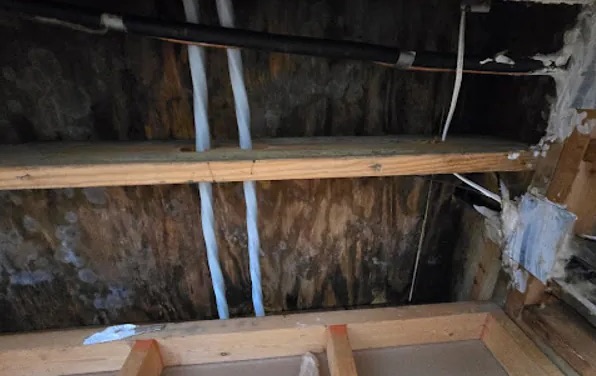
Professional Attic Water Removal in Lake Park, FL
A ceiling stain in a Lake Park home is usually the last sign of an attic leak, not the first. By the time it shows, insulation and decking above may already be wet across a wide area.
In Lake Park, attic water calls often start with a ceiling stain after heavy rain or a dripping AC drain. Local water extraction specialists serve Lake Park, North Palm Beach, Riviera Beach and Palm Beach Gardens, removing water and wet insulation and drying the attic.
Specialized Attic Water Removal for Lake Park
Attic Leak Water Cleanup
Cleanup focuses on the low spots where water collects: the bays between joists, the area around the hatch and the space under an air handler.
Emergency Attic Water Extraction
When a storm or a burst pipe floods the attic, help is available any hour to remove the water before the ceiling below fails.
Ceiling Water Damage Cleanup
A water-stained ceiling below the attic is checked with a meter. Firm, lightly damp drywall can dry in place, while soft or sagging drywall comes down.
Attic Drying Services
Equipment is adjusted daily, moving airflow from areas that are dry to areas that still read wet.
Attic Mold Prevention
Fast drying is the main protection. Antimicrobial treatment is added only where framing and decking stayed wet long enough to need it.
Signs of Attic Water Damage in Lake Park
High Utility Bills Unexpectedly
Wet insulation loses its insulating value, so energy bills can rise after an attic leak.
Musty Odors in Your Home
A musty smell upstairs or at the attic hatch often points to wet insulation or damp wood above.
Wet or Damp Attic Insulation
Insulation that feels damp, looks dark or has packed down in one area has absorbed water.
Peeling Paint on Ceilings or Walls
Paint that peels or blisters on upstairs ceilings and walls often has water behind it.
How Attic Water Removal Works in Lake Park
Step 1: Initial Attic Water Damage Assessment
The pros check safety, find the source and map the wet area with moisture meters.
Step 2: Bulk Water and Material Removal
Pooled water, soaked insulation and any sagging drywall are removed from the attic and ceiling.
Step 3: Attic Drying and Evaporation
Warm, dry airflow is aimed at wet wood, with dehumidifiers removing the moisture it releases.
Step 4: Attic Mold Prevention
Once dry, decking and framing that stayed wet can be cleaned and treated with an antimicrobial.
Leading Origins of Attic Water Damage
Condensation From Poor Attic Ventilation
Moist air from the house condenses on roof decking when attic ventilation is poor.
Appliance Malfunctions Like Water Heater Leaks
Water heaters located in the attic can leak or fail, flooding the attic floor.
Clogged or Disconnected Gutters
Clogged or loose gutters let water back up under the roof edge and into the soffits.
Roof Leaks From Damaged Shingles
Cracked, missing or lifted shingles let rain reach the decking and drip into the attic.
Home and Business Attic Water Removal Solutions
Residential Attic Water Removal
In houses, attic water usually reaches a bedroom or hallway ceiling. Water and wet insulation are removed from above, and the ceiling below is dried or replaced.
Commercial Attic Water Removal
In commercial buildings, water above a drop ceiling soaks tiles and insulation over several rooms. Wet tiles are removed and the plenum space above is dried.
The Risks of DIY Attic Water Removal in Lake Park
A fan in the room below does little for wet attic wood. Drying the attic takes equipment up there and readings to confirm it is dry.
Factors Influencing Attic Water Removal Cost
The pros inspect the attic and the ceiling before pricing attic water removal in Lake Park, then explain what will be removed and dried.
Secondary Damage Repairs
Ceiling drywall replacement and paint in the room below add to the total.
Mold Prevention Measures
Antimicrobial treatment of wood that stayed wet is an added step, priced by area.
Access and Attic Complexity
Low headroom and small access hatches make attic work slower than open spaces.
Does Insurance Cover Attic Water Removal?
Photograph the attic, the ceiling and any roof damage before cleanup, and keep receipts for tarping and emergency water removal.
Advantages of Hiring Local Pros for Attic Water Removal in Lake Park
24/7 Emergency Response
Help is available day or night when water is coming through the ceiling.
Damage Documentation
Photos, readings and a list of removed materials are kept for insurance.
Advanced Moisture Detection
Moisture meters and thermal cameras find wet wood and insulation that look dry.
Round-the-Clock Attic Water Removal for Lake Park
Night, weekend or holiday, local water extraction specialists handle attic water in Lake Park. Call (561) 794-2954 to get the water out and the ceiling protected.
Call Now (561) 794-2954Local Attic Water Removal Coverage Area
Help with attic water removal is also available in communities near Lake Park, including North Palm Beach, Riviera Beach and Palm Beach Gardens, for roof leaks and attic plumbing failures.
Attic Water Removal FAQs
What does water damaged attic restoration include after drying?
New insulation, any decking or framing repairs, and ceiling drywall replacement and paint in the room below.
What is an attic moisture inspection?
A check of rafters, decking, insulation and the ceiling below with moisture meters and thermal cameras to find all wet areas.
How can mold be prevented after attic water removal?
By drying wood quickly, fixing ventilation problems and treating framing that stayed wet with an antimicrobial.
How do professionals dry an attic?
With air movers and dehumidifiers placed on boards across the joists, checking moisture readings daily until the wood is dry.
What causes attic water damage?
Roof leaks, plumbing failures, attic AC overflows, water heater leaks, loose bath fan ducts and poor ventilation.