ZIP 33430 · Belle Glade, FL · Palm Beach County
Water Damage Restoration in 33430Mold Prevention After Water Damage & Water Removal
Water Damage Restoration in Belle Glade covers sewage cleanup, storm damage repair and structural drying.
Answered 24/7
Professional Water Damage Restoration in 33430, FL
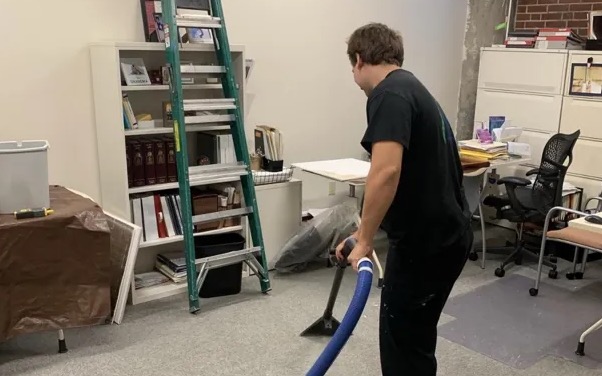
In Belle Glade, acting fast limits disruption and keeps mold from starting. Local water damage pros clean up the water and dry wet carpet with professional equipment.
In Belle Glade, about 40 miles from Boca Raton, water extraction experts clean up floods and remove mold, checking behind walls and under floors before calling the job complete.
The Water Damage Restoration Process in 33430, FL
Mold Prevention After Water Damage
Surfaces that stayed wet are cleaned and treated with an antimicrobial after drying in Belle Glade homes.
Water Removal
Powerful extractors pull bulk water from carpets and hard flooring. This initial removal in Belle Glade is a necessary step before structural drying can begin.
Sewage Cleanup
A sewage backup introduces harmful pathogens. The process extracts contaminated water and removes unsalvageable porous materials.
Water Damage Repair
Water damage repair reconstructs materials that could not be saved. It includes installing new drywall, baseboards, flooring, and paint.
Structural Drying
Drying equipment is placed for good airflow, and readings are taken until the building is dry in Belle Glade.
Symptoms Requiring Water Damage Restoration in 33430
Cracked or Warping Floorboards
Hardwood floors that warp, cup, or crack are reacting to moisture. The pros can assess and begin drying.
Wet or Damp Attic Insulation
Damp insulation in the attic loses effectiveness and can rot wood. Attic drying and removal may be necessary for proper repair.
Musty Odors in Rooms
A persistent musty smell often means hidden moisture and mold growing behind walls or under floors.
Sagging or Bubbling Drywall
Drywall that swells, sags or bubbles has absorbed a lot of water and needs drying or removal.
How Water Damage Restoration Works in 33430
Step 1: Assessment and Moisture Mapping
Pros use sensors and cameras to map the full extent of moisture in materials.
Step 2: Flood Water Removal
Heavy-duty pumps and extractors eliminate all pooling water from the affected area. Fast flood cleanup prevents secondary damage and mold growth.
Step 3: Targeted Drying Procedures
Specialized drying equipment is aimed at hard-to-reach areas like subfloors and the insides of walls.
Step 4: Mold Prevention and Restoration
Areas are treated to inhibit mold, followed by necessary reconstruction. The final step aims to return your space to its pre-damage condition.
Frequent Sources of Home Water Damage in 33430
Appliance Malfunctions and Leaks
Water heaters, washing machines, dishwashers and refrigerators can leak or overflow suddenly and flood the floor.
Sewer Line Backups or Overflows
Blocked main sewer lines or septic failures can push sewage up into the home through drains.
Roof Leaks From Storm Damage
Wind-driven rain, hail or fallen debris can break through roofing and let water into the home.
Bathroom Fixture Failures
Failed toilet seals, overflowing tubs and leaking shower pans soak carpet and subfloors over time.
Water Damage Restoration for Homes and Businesses in 33430
Residential Water Damage Restoration
Water damage in homes demands quick action to protect personal belongings and structure. The pros address leaks from appliances, roof failures, or plumbing to prevent mold.
Commercial Water Damage Restoration
For businesses, water damage halts operations and puts stock, equipment and data at risk. Pros extract water from offices, stores and warehouses and dry the structure to get you reopened.
Water Damage Restoration vs. DIY: When to Call Local Pros
Catch a small leak under a kitchen sink with a bucket, dry the cabinet and take out stored items. If the cabinet floor or the wall behind got soaked, have it checked for hidden moisture.
Cost Considerations for Water Damage Restoration in 33430
In the Belle Glade area, moving and storing furniture or belongings so floors can be dried adds labor and affects the final cost.
Secondary Damage Remediation
Extra work like mold removal or storm repairs adds its own scope and cost.
Area Accessibility
Difficult-to-access areas like crawl spaces or attics may require specialized equipment, increasing the time and cost for the experts to complete the work.
Drying Time Required
How long air movers and dehumidifiers must run affects equipment cost and job length.
Does Insurance Cover Water Damage Restoration?
Insurance coverage for water damage restoration depends on a policy's cause-of-loss terms. Sudden events like a burst pipe are often covered. Gradual leaks may not be.
Selecting Local Pros for Water Damage Restoration in 33430
Comprehensive Water Extraction
Industrial pumps and extractors remove standing water in homes and commercial buildings.
IICRC-Standard Methods
The pros follow industry standards for water removal and drying, which helps prevent mold.
Advanced Moisture Detection
Thermal cameras and moisture meters let the pros find hidden water in walls and subfloors so drying is complete.
Always-Available Water Damage Restoration for 33430
Sewer backups and major flooding need fast, safe handling. Call (561) 794-2954 24/7 for the pros to start sewage cleanup or water extraction.
Call Now (561) 794-2954Water Damage Restoration Service Area Including 33430, FL
In Belle Glade, services range from emergency water extraction to full storm damage repair.
Answers to Top Water Damage Restoration Questions
What are common causes of residential water damage?
Common causes include plumbing failures like burst pipes, appliance leaks from water heaters or washing machines, roof leaks, and flooding from severe weather.
How do professionals handle a sewage backup cleanup?
Sewage cleanup requires strict safety protocols due to contaminants. The process involves removing the hazardous waste, thorough cleaning and disinfecting affected areas, and often removing porous materials that cannot be adequately sanitized.
How quickly should water extraction begin after a flood?
As soon as it is safe. Standing water speeds up damage, and mold can start within 24 to 48 hours.
What happens during the flood cleanup process?
Flood cleanup starts with pumping out standing water. Then, mud and debris are removed. The area is cleaned and disinfected.
What should be done immediately after discovering water damage?
If safe, stop the water source if possible. Move valuable items away from water. Then, contact the pros for emergency water extraction.