North Andrews Gardens, FL · Broward County
Temperature-Controlled Drying in North Andrews Gardens, FLMoisture Mapping & Water Damage Drying Logs
In North Andrews Gardens, Temperature-Controlled Drying from local moisture control experts includes rapid structural drying services, drying equipment deployment, and water damage drying logs for documented recovery.
Answered 24/7
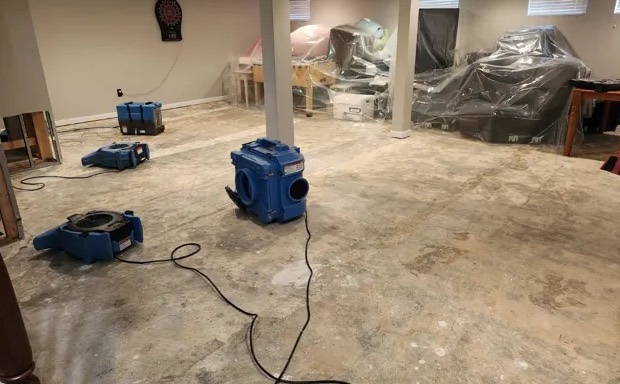
Targeted Temperature-Controlled Drying for Properties in North Andrews Gardens
In North Andrews Gardens, moisture that dries unevenly can warp materials and leave hidden mold. Local pros control heat and airflow so drying is even and does not cause more damage.
In North Andrews Gardens and nearby Oakland Park, Wilton Manors and Pompano Beach, fast structural drying stops mold before it starts. Local pros map moisture, then use LGR dehumidifiers and planned air mover placement until readings are normal.
Temperature-Controlled Drying Services in North Andrews Gardens
Moisture Mapping
Systematic testing identifies moisture content percentages in all building materials. The experts compare readings to known dry standards.
Water Damage Drying Logs
Key data like psychrometric readings and material moisture content are meticulously recorded. These logs show a clear trend toward dryness, confirming the job's success.
Climate-Controlled Drying Systems
Dehumidifiers and air movers keep the air in a contained space warm and dry, so moisture moves out of materials faster.
Drying Equipment Deployment
The experts choose the mix of air movers, dehumidifiers and heaters from the size of the area, the materials and the moisture levels, then set it up to run safely.
Humidity Control for Restoration
Dehumidifiers lower the dew point in the affected area, so materials give up their moisture more easily.
Warning Signs Requiring Temperature-Controlled Drying in North Andrews Gardens
Paint Peeling or Bubbling Up
Paint loses adhesion and forms bubbles or peels away from the wall. This failure is caused by moisture trapped beneath the paint film.
Cracking of Plaster or Joints
Plaster or drywall joint tape develops new cracks or fissures. These cracks occur as wet materials swell and then contract during drying.
Discoloration on Drywall or Ceilings
Yellow or brown water stains appear on surfaces that seem dry. These stains suggest moisture is still present inside the wall cavity.
Condensation on Windows or Surfaces
Excess humidity causes water droplets to form on cold surfaces. This condensation confirms the indoor air has too much moisture.
How Temperature-Controlled Drying Works in North Andrews Gardens
Step 1: Detailed Moisture Mapping Inspection
The experts use advanced sensors to map all affected areas, including hidden cavities.
Step 2: Strategic Air Mover Deployment
Based on the map, the pros position high-velocity air movers to create optimal airflow across wet surfaces.
Step 3: Climate-Controlled Drying Implementation
Industrial dehumidifiers are deployed to precisely control temperature and humidity in the contained space.
Step 4: Continuous Moisture Monitoring and Logs
Pros take regular moisture readings to track progress, adjusting equipment as needed. Detailed drying logs document the entire process for your records.
Causes of Persistent Dampness Requiring Controlled Drying in North Andrews Gardens
Poor Ventilation After a Flood
Closing up a wet room traps humid air, which slows drying and lets moisture soak further into materials.
Appliance Malfunction or Overflow
A failed washing machine hose, water heater or dishwasher can release many gallons onto the floor.
Storm-Driven Water Intrusion
Heavy rain overflows gutters or gets in around windows and soaks framing and insulation.
HVAC System Condensation Issues
A clogged condensate drain line causes an overflow inside the air handler. This water can soak insulation and ductwork, creating a hidden moisture issue.
Residential and Commercial Drying in North Andrews Gardens, FL
Residential Temperature-Controlled Drying
At home, the pros dry wall cavities, subfloors and belongings with air movers and dehumidifiers, and keep drying logs for your insurance review.
Commercial Temperature-Controlled Drying
For businesses, rapid drying minimizes downtime and protects inventory, equipment, and building integrity. Large-scale drying systems are implemented to address moisture in offices, retail spaces, and warehouses.
When to Hire Moisture Control Experts for Temperature-Controlled Drying in North Andrews Gardens
Moisture from a leak may seem surface-dry, but it often remains deep within materials. You can use a moisture meter from a hardware store to check for obvious dampness in drywall or wood. Interpreting these readings and executing the rapid drying needed to prevent mold requires the expertise and commercial-grade equipment of the specialists in North Andrews Gardens.
Factors in Temperature-Controlled Drying Pricing for North Andrews Gardens, FL
In North Andrews Gardens, the main price factors are how long drying takes and which equipment, such as heaters or desiccants, is used.
Drying Time Required
Longer drying periods for climate-controlled systems mean more equipment runtime and monitoring, impacting the overall cost of the restoration project.
Access and Logistics
Challenging site access in North Andrews Gardens can complicate equipment deployment and placement, potentially increasing setup time and labor requirements.
Structural Material Types
Porous materials like concrete or dense wood require more aggressive drying strategies and extended monitoring, influencing the project timeline and cost.
Does Insurance Cover Temperature-Controlled Drying?
Many homeowner policies cover temperature-controlled drying when it stems from a sudden, covered peril like a burst pipe. The experts document all damage with photos and moisture readings for your claim submission.
Benefits of Local Experts for Temperature-Controlled Drying in North Andrews Gardens
Structural Drying
The focus is on quickly extracting moisture from structural components to minimize warping, swelling, or the potential for mold growth.
Ongoing Moisture Monitoring
Regular checks with moisture meters verify that drying goals are met, helping ensure no residual dampness remains within walls or floors.
Comprehensive Drying Logs
Detailed, chronological logs of moisture readings and equipment settings provide a transparent record of the entire temperature-controlled drying process.
24/7 Temperature-Controlled Drying for Emergencies in North Andrews Gardens
For temperature-controlled drying after a leak or flood, call (561) 794-2954 any time. The pros can then start drying the structure.
Call Now (561) 794-2954Temperature-Controlled Drying for North Andrews Gardens and Surrounding Regions
Temperature-controlled drying is available for homes and businesses in North Andrews Gardens and nearby areas like Oakland Park, Wilton Manors and Pompano Beach.
- Temperature-Controlled Drying in Oakland Park
- Temperature-Controlled Drying in Wilton Manors
- Temperature-Controlled Drying in Pompano Beach
- Temperature-Controlled Drying in Lauderdale Lakes
- Temperature-Controlled Drying in Coconut Creek
- Temperature-Controlled Drying in Lauderhill
- Temperature-Controlled Drying in Fort Lauderdale
- Temperature-Controlled Drying in North Lauderdale
Temperature-Controlled Drying FAQs for North Andrews Gardens Property Owners
Can temperature-controlled drying prevent mold growth?
By rapidly removing moisture and controlling humidity, the process creates an environment where mold cannot thrive, significantly reducing the potential for mold.
What is the difference between air movers and dehumidifiers?
Air movers evaporate moisture from surfaces into the air, and dehumidifiers pull it back out of the air.
Why is moisture mapping important for drying?
Sensors measure moisture across the affected area to show exactly where it is wet, so equipment is aimed at the right spots.
Is temperature-controlled drying safe for electronics or artwork?
Yes, when the pros use low heat and careful humidity control, it can be safe for drying sensitive materials and belongings.
What is the strategy behind air mover placement?
They are angled to move air across wet surfaces in a pattern, so moisture evaporates into the air where dehumidifiers can capture it.