Miami, FL · Miami-Dade County
Sewage Water Removal in Miami, FLSewage Backup Cleanup & Sewage Spill Containment
Your Sewage Water Removal needs in Miami cover sewage system clog clearing, contaminated carpet removal, and black water extraction service.
Answered 24/7
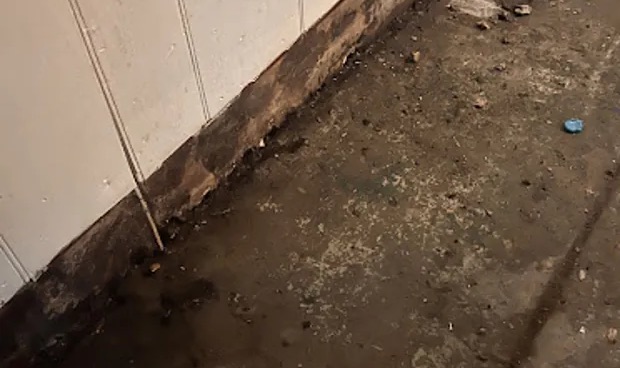
Local Sewage Water Removal Services for Miami
Sewage damage sanitization in Miami is necessary to kill bacteria and viruses from black water, protecting occupants from illness. Sewage removal pros follow strict protocols to disinfect all affected areas thoroughly after extraction.
For homes in Miami, sanitizing after black water removal kills the bacteria and viruses left on surfaces. Local pros also clear sewer clogs for properties in Little Havana, Allapattah and Miami Beach to prevent repeat backups.
Detailed Sewage Water Removal Offerings in Miami
Sewage Backup Cleanup
A sewage backup can ruin flooring and drywall within hours. Effective sewage water removal starts with extracting standing contaminated water to halt damage.
Sewage Spill Containment
Without proper sewage spill containment, hazardous bacteria can spread to clean rooms. The specialists initiate containment protocols.
Sewage Odor Neutralization
Effective sewage odor neutralization treats both air and materials absorbing foul smells. The pros employ thermal fogging and deep cleaning to penetrate surfaces.
Sewage Contaminated Drywall Removal
Porous drywall cannot be decontaminated after sewage contact. Removal involves cutting above the water line, taking out wet insulation, and disposing of hazardous materials.
Sewage Damage Sanitization
After sewage water extraction, thorough sanitization is required for safe re-occupancy. Professionals use hospital-grade disinfectants on floors, walls, and salvageable contents.
Indicators You Need Sewage Cleanup in Miami
Damp Drywall Near Plumbing
Soft, stained, or bubbling drywall near pipes often hides sewage contamination, needing sewage affected drywall removal.
Unexplained Illness in Household
Health symptoms can stem from airborne pathogens from a sewage spill, highlighting the need for sewage sanitization.
Black Water in Toilets
Toilets overflowing with unsanitary black water signal a main line clog, a serious sewage spill requiring containment.
Sewage Backup After Heavy Rain
Flooding that forces sewage back into the home is an emergency, requiring fast sewage spill containment.
How Sewage Water Removal Works in Miami
Step 1: 24/7 Sewage Emergency Response
The work starts with the hazardous situation. The pros contain the spill and protect your property.
Step 2: Source Identification and Clog Clearing
Pros work to identify the cause, often performing sewage system clog clearing to stop the inflow.
Step 3: Comprehensive Sewage Water Removal
Every gallon of contaminated water is extracted. This sewage removal process uses powerful equipment to pull moisture from flooring, padding, and subfloors.
Step 4: Disinfection and Restoration Prep
The area undergoes a multi-stage sewage damage sanitization. Once clean and dry, the space is prepared for any necessary rebuilds, concluding the sewage cleanup.
What Causes Sewage Damage in Miami
Municipal Sewer System Overload
Heavy rainfall or system failures can overwhelm public sewers, forcing contaminated water back into residential properties.
Vandalism or Accidental Damage
A pipe struck during digging or deliberate tampering can break a sewer line and send waste into the property.
Ground Shifting or Settlement
Shifting soil can crack or misalign sewer pipes, letting sewage leak into the ground and the home.
Main Sewer Line Blockages
Tree roots, grease, or foreign objects can completely obstruct the main line, causing sewage backup into the home.
Sewage Water Removal for All Property Types in Miami
Residential Sewage Water Removal
Residential sewage cleanup costs are influenced by the extent of contamination and needed repairs. The pros assess for sewage sanitization needs and structural drying.
Commercial Sewage Water Removal
For businesses, sewage cleanup is planned to limit closing time, starting with food-handling and high-traffic areas for safety.
The Risks of DIY Sewage Water Removal in Miami
While you wait, keep children and pets away from the area. Turn off power to affected rooms only if you can do it from a dry spot, and do not use any drains on the blocked line.
Understanding Sewage Cleanup Cost in Miami
Pricing in Miami depends on the size of the clog or break, the surfaces contaminated, and the odor removal and air cleaning needed afterward.
Material Removal Needs
Permanently contaminated porous materials like carpet, padding, or drywall require careful removal and disposal, adding to labor and waste handling costs.
Sanitization Protocol Depth
The level of sewage damage sanitization needed, from surface cleaning to fogging and antimicrobial coating, affects both time and material use.
Required Drying Time
The duration for structural drying after sewage water extraction depends on material saturation levels and ambient humidity in the space.
Does Insurance Cover Sewage Water Removal?
Whether insurance covers sewage water removal depends entirely on your policy's specific terms and the covered peril that caused the backup. The pros document all damage with photos and moisture readings for your claim submission.
Selecting Sewage Water Extraction Experts for Sewage Issues in Miami
IICRC-Standard Sanitization
Procedures follow industry guidelines for disinfecting surfaces after sewage exposure, addressing health risks from contamination with appropriate antimicrobial agents.
Porous Material Removal
Recognizing when carpet, drywall, or insulation cannot be salvaged and must be removed and bagged for safe, proper disposal.
Clog Identification Assistance
Helping pinpoint the location and nature of a blockage in the sewage system during the initial assessment phase.
24/7 Emergency Sewage Removal in Miami
Sewage contamination cleanup cannot be postponed. To stop the spread of harmful bacteria and begin restoration, contact the pros at (561) 794-2954. They are available anytime for help in Miami.
Call Now (561) 794-2954Sewage Water Removal for Miami and Surrounding Communities
Sewage removal encompasses Miami and the broader region, including Little Havana, Allapattah and Miami Beach. Whether from a main line break or an internal drain clog, professional sewage damage repair and sanitization restore safety to affected homes.
- Sewage Water Removal in Little Havana
- Sewage Water Removal in Allapattah
- Sewage Water Removal in Miami Beach
- Sewage Water Removal in Brownsville
- Sewage Water Removal in Coral Gables
- Sewage Water Removal in Coconut Grove
- Sewage Water Removal in Gladeview
- Sewage Water Removal in Isle of Normandy
- Broken Pipe Repair Services in 33101
- Storm Damage Restoration in 33101
- Water Damage Restoration in 33101
- Water Extraction Service in 33101
- Water Removal Service in 33101
- Broken Pipe Repair Services in 33102
- Storm Damage Restoration in 33102
- Water Damage Restoration in 33102
Common Sewage Water Removal Queries Answered
What causes a sewage system clog needing clearing?
Clogs are often from flushed non-dissolvable items, grease buildup, tree root intrusion, or collapsed pipes. Clearing identifies the blockage location and safely removes it to restore flow.
What's the first step in emergency sewage cleanup?
Stay out of the water, keep others away and call pros so the black water can be extracted.
What does sewage damage sanitization entail?
Sanitization after sewage exposure involves applying EPA-registered antimicrobial disinfectants to all affected hard surfaces, and sometimes fogging the air, to kill bacteria, viruses, and fungi from the contamination.
How quickly should sewage spill containment begin?
Containment should start immediately to prevent cross-contamination. Sewage spreads quickly, so rapid setup of barriers by pros limits the affected area and reduces overall damage and risk.
What is involved in sewage backup cleanup?
The process starts with extracting the black water, then contains the spill, removes contaminated porous materials, sanitizes all surfaces with antimicrobials, and thoroughly dries the structure to prevent mold.