The Acreage, FL · Palm Beach County
Hydrostatic Pressure Water Removal in The Acreage, FLSlab Leak Water Removal & Structural Drying After Intrusion
Hydrostatic Pressure Water Removal in The Acreage covers groundwater intrusion mitigation, wet subfloor removal and crawl space water extraction.
Answered 24/7
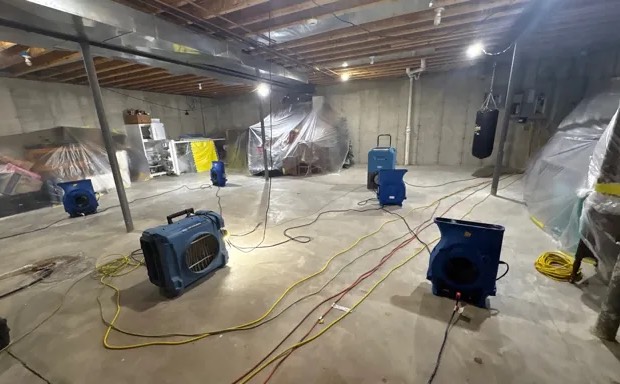
Expert Hydrostatic Pressure Water Removal Serving The Acreage, FL
In The Acreage homes, water pushed in by soil pressure can keep subfloors and framing damp long after the puddles are gone, which leads to rot and mold.
Specialized Hydrostatic Pressure Water Removal for The Acreage
Slab Leak Water Removal
When water comes up through a slab, it is extracted before it wicks into the walls, and the slab surface and nearby materials are dried.
Structural Drying After Intrusion
Wet framing and subfloor need to be dried, not just the floor surface. Local structural drying professionals set up a drying plan and check readings until the materials are dry.
Crawl Space Water Extraction
A wet crawl space is a hidden problem that can lead to mold and wood rot.
Wet Subfloor Removal
Subfloor that stayed soaked after a groundwater flood may have to be removed. The water is extracted, the damaged sections cut out and the area dried for new material.
Slab Seepage Water Removal
When water seeps up through a slab in The Acreage, flooring may need to be lifted so the concrete can dry. Pros explain what a foundation specialist should look at.
Warning Signs You Need Hydrostatic Pressure Water Removal
Spongy or Soft Spots on Floors
Damp spots or lifting flooring on a slab can mean water is coming up from below.
Water Seeping From Foundation Walls
Water seeping at the base of foundation walls means groundwater is being pushed in by pressure from the soil.
Gurgling Sounds From Floor Drains
Gurgling floor drains during heavy rain can mean water pressure is building in the drain lines around the house.
Pooling Water in Crawl Space
Standing water in a crawl space is a clear sign water is getting in and needs to be removed.
How Hydrostatic Pressure Water Removal Works in The Acreage
Step 1: Safety and Hazard Assessment
The area is made safe and electrical hazards are checked before any water removal starts.
Step 2: Foundation Crack Water Infiltration Stop
Water coming through cracks is managed with pumps while the area dries, and the cracks are noted for a foundation contractor.
Step 3: Advanced Drying System Setup
Desiccant dehumidifiers and injectidry systems are installed to dry deep within building materials. This equipment pulls moisture out of concrete, wood and insulation.
Step 4: Post-Restoration Integrity Check
A final check confirms the lower level is dry, and the readings are shared with you.
Common Causes of Water Damage in The Acreage
Foundation Settlement and Cracks
As a foundation settles, cracks form and give groundwater a direct path inside.
Failed or Missing Waterproofing
Worn exterior coatings or membranes let groundwater reach the foundation wall directly.
Poor Exterior Drainage Systems
Clogged gutters, downspouts and poor grading send water toward the foundation, where it builds pressure in the soil.
Clogged or Collapsed Footing Drains
When perimeter drains clog or fail, water has nowhere to go and presses against the walls and slab.
Hydrostatic Pressure Water Removal for Foundation Protection
Residential Hydrostatic Pressure Water Removal
In homes, groundwater pushed through a wall or slab can soak flooring and drywall. Fast extraction and drying keep the damage from spreading to walls and stored items.
Commercial Hydrostatic Pressure Water Removal
Restaurants, medical offices, and other sensitive environments require meticulous groundwater extraction and sanitization after water intrusion. Specialized water removal pros ensure these spaces meet strict hygiene standards.
Hydrostatic Pressure Water Removal: Why DIY Falls Short
Take photos and video of the damage from a safe spot for your insurance claim. Stay out of flooded areas with power still on, and let the pros handle the moisture mapping.
Hydrostatic Pressure Water Removal Cost in The Acreage, FL
In Palm Beach County, the cost of foundation water removal depends on the source, such as seepage through a slab or a large crack letting water in.
Water Source Type
A slow slab seep and a sudden flood through a wall crack need different approaches and equipment.
Material Saturation Level
Deeply soaked subflooring or wet foundation walls need more extraction and dehumidification.
Affected Area Size
Larger flooded areas or large wet subfloors need more equipment and more days of drying.
Does Insurance Cover Hydrostatic Pressure Water Removal?
Groundwater cleanup may be covered if the event was sudden and accidental under your policy. The pros gather photos and readings for your insurer, who decides coverage.
Why Choose Local Pros for Hydrostatic Pressure Water Removal in The Acreage
Focused Mitigation Planning
You get notes on where water came in, so you can plan drainage work with a contractor.
Comprehensive Moisture Mapping
Moisture meters find water in subfloors and walls so every wet area gets dried.
Controlled Demolition Protocols
Only subfloor and materials that cannot be dried are removed, which keeps the repair smaller.
Urgent Hydrostatic Pressure Water Removal for The Acreage Homes
Drying after groundwater gets in starts with a call to (561) 794-2954. The professionals are available 24/7 in The Acreage to remove the water and set up drying.
Call Now (561) 794-2954Areas Served for Hydrostatic Pressure Water Removal Near The Acreage
Help with hydrostatic pressure water removal is available for properties in The Acreage and nearby Royal Palm Beach, Palm Beach Gardens and Wellington.
- Hydrostatic Pressure Water Removal in Royal Palm Beach
- Hydrostatic Pressure Water Removal in Palm Beach Gardens
- Hydrostatic Pressure Water Removal in Wellington
- Hydrostatic Pressure Water Removal in North Palm Beach
- Hydrostatic Pressure Water Removal in West Gate
- Hydrostatic Pressure Water Removal in Lake Park
- Hydrostatic Pressure Water Removal in Riviera Beach
- Hydrostatic Pressure Water Removal in Jupiter
- Broken Pipe Repair Services in 33470
- Storm Damage Restoration in 33470
- Water Damage Restoration in 33470
- Water Extraction Service in 33470
- Water Removal Service in 33470
Hydrostatic Pressure Water Removal FAQs
Will drying stop water from coming back?
No. Drying fixes the damage that is already there. Keeping water out takes drainage, grading or waterproofing work by a contractor.
What is structural drying after intrusion?
It is drying the concrete, wood and other building materials after groundwater or flood water gets inside.
When is wet subfloor removal necessary?
When wood subflooring is so soaked that it cannot be dried, it is removed to prevent rot and a weak floor.
How long does drying take after groundwater comes in?
Most jobs take several days of drying. Waterproofing repairs, if needed, are a separate job for a waterproofing contractor.
What equipment is used for groundwater extraction?
Groundwater extraction uses submersible pumps for deep water, wet-dry vacuums for shallow flooding, and specialized extractors for under-slab water removal.