Miami, FL · Miami-Dade County
Hydrostatic Pressure Water Removal in Miami, FLGroundwater Intrusion Mitigation & Wet Subfloor Removal
Hydrostatic Pressure Water Removal in Miami covers groundwater intrusion mitigation, wet subfloor removal and crawl space water extraction.
Answered 24/7
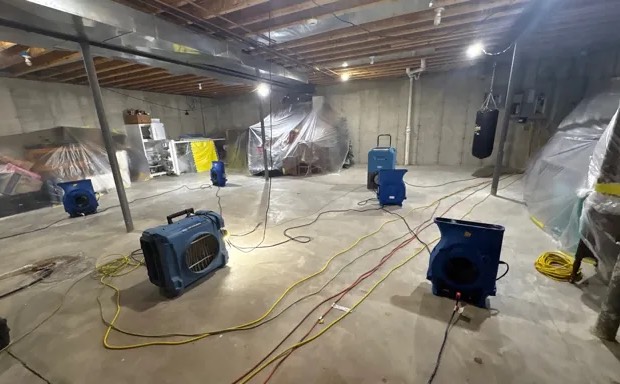
Hydrostatic Pressure Water Removal Solutions for Miami Homes
In Miami areas where the water table rises in wet seasons, groundwater presses on foundation walls and can seep inside.
Detailed Hydrostatic Pressure Water Removal Methods
Groundwater Intrusion Mitigation
Moisture readings and entry points are recorded during the work, which helps plan both the drying and any drainage changes outside.
Wet Subfloor Removal
The process includes cutting out affected panels, disposing of them properly, and creating a dry, stable base for the new flooring material.
Structural Drying After Intrusion
Drying equipment is placed to pull moisture out of wall cavities, subfloors and framing, not just to dry what you can see.
Slab Seepage Water Removal
Groundwater pushed up through a concrete slab can leave damp spots or a thin sheet of water. It is extracted and the slab and flooring are dried.
Foundation Crack Water Infiltration
Even hairline cracks can let in a lot of water when the soil is soaked. The water inside is removed, and sealing the crack is left to a foundation contractor.
Signs of Groundwater Intrusion Requiring Hydrostatic Pressure Water Removal
High Indoor Humidity Levels
High humidity in lower levels that does not go away can mean water is seeping through the foundation.
Spongy or Soft Spots on Floors
Damp spots or lifting flooring on a slab can mean water is coming up from below.
Water Seeping From Foundation Walls
Water seeping at the base of foundation walls means groundwater is being pushed in by pressure from the soil.
Gurgling Sounds From Floor Drains
Gurgling floor drains during heavy rain can mean water pressure is building in the drain lines around the house.
How Hydrostatic Pressure Water Removal Works in Miami
Step 1: Source Containment and Control
Where possible, the water source is controlled first, such as redirecting downspouts or stopping a plumbing leak.
Step 2: Crawl Space Water Extraction
Equipment made for tight spaces extracts water from the crawl space so the framing can start drying.
Step 3: Affected Material Removal
Wet insulation and subflooring that cannot be dried are removed and hauled away.
Step 4: Dehumidification and Air Scrubbing
Dehumidifiers and air scrubbers bring humidity down and clear the musty air until the space is dry.
What Causes Hydrostatic Pressure Water Damage
Plumbing Leaks Under the Slab
A broken water line under the slab keeps feeding water up through the floor.
Heavy or Prolonged Rainfall
Long periods of rain soak the soil, and the water presses against the foundation until it finds a way in.
Poor Exterior Drainage Systems
Clogged gutters, downspouts and poor grading send water toward the foundation, where it builds pressure in the soil.
Soil Expansion and Contraction
Clay soil swells when wet, adding pressure on foundation walls and opening paths for water.
Hydrostatic Pressure Water Removal for Foundation Protection
Residential Hydrostatic Pressure Water Removal
In homes, groundwater pushed through a wall or slab can soak flooring and drywall. Fast extraction and drying keep the damage from spreading to walls and stored items.
Commercial Hydrostatic Pressure Water Removal
Restaurants, medical offices, and other sensitive environments require meticulous groundwater extraction and sanitization after water intrusion. Specialized water removal pros ensure these spaces meet strict hygiene standards.
Why Hydrostatic Pressure Water Removal Requires Local Pros in Miami
Clearing gutters and extending downspouts away from the foundation are good steps to reduce water at the walls. If water is already coming in, call (561) 794-2954 for extraction and drying.
Factors Affecting Hydrostatic Pressure Water Removal Pricing in Miami
In Miami-Dade County, the cost of foundation water removal depends on the source, such as seepage through a slab or a large crack letting water in.
Structural Complexity
Tight crawl spaces and complex foundations make water removal and drying slower.
Affected Area Size
Larger flooded areas or large wet subfloors need more equipment and more days of drying.
Water Source Type
A slow slab seep and a sudden flood through a wall crack need different approaches and equipment.
Does Insurance Cover Hydrostatic Pressure Water Removal?
Coverage for structural drying depends on your policy's limits and exclusions. Local foundation water removal pros provide moisture maps and drying logs, so check the details with your agent.
Selecting Local Pros for Hydrostatic Pressure Water Removal in Miami, FL
Focused Mitigation Planning
You get notes on where water came in, so you can plan drainage work with a contractor.
Targeted Groundwater Extraction
Equipment made for tight spaces removes water from crawl spaces and around slabs.
Controlled Demolition Protocols
Only subfloor and materials that cannot be dried are removed, which keeps the repair smaller.
Emergency Hydrostatic Pressure Water Removal in Miami
Water forced in through a foundation crack can spread across a floor quickly. Call (561) 794-2954 any time for help with water removal and drying in Miami.
Call Now (561) 794-2954Areas Served for Hydrostatic Pressure Water Removal Near Miami
The pros provide hydrostatic pressure water removal for homes in Miami and nearby Little Havana, Allapattah and Miami Beach, for flooded lower levels and groundwater seepage.
- Hydrostatic Pressure Water Removal in Little Havana
- Hydrostatic Pressure Water Removal in Allapattah
- Hydrostatic Pressure Water Removal in Miami Beach
- Hydrostatic Pressure Water Removal in Brownsville
- Hydrostatic Pressure Water Removal in Coral Gables
- Hydrostatic Pressure Water Removal in Coconut Grove
- Hydrostatic Pressure Water Removal in Gladeview
- Hydrostatic Pressure Water Removal in Isle of Normandy
- Broken Pipe Repair Services in 33101
- Storm Damage Restoration in 33101
- Water Damage Restoration in 33101
- Water Extraction Service in 33101
- Water Removal Service in 33101
- Broken Pipe Repair Services in 33102
- Storm Damage Restoration in 33102
- Water Damage Restoration in 33102
Hydrostatic Pressure Water Removal FAQs
What is structural drying after intrusion?
It is drying the concrete, wood and other building materials after groundwater or flood water gets inside.
What is included in structural water damage restoration?
Water extraction, drying, cleaning and replacing materials that groundwater or flood water damaged beyond drying.
How does foundation water removal work?
Standing water is extracted, the structure is dried with dehumidifiers and air movers, and the place where water came in is noted.
What does groundwater intrusion mitigation involve?
Removing the water, drying the structure and then, often, drainage or waterproofing work outside by a contractor.
When is wet subfloor removal necessary?
When wood subflooring is so soaked that it cannot be dried, it is removed to prevent rot and a weak floor.