Boca Raton, FL · Palm Beach County
HVAC Fire Damage Cleanup in Boca Raton, FLEmergency HVAC System Shutdown & Air Quality Testing Post-Cleanup
HVAC filter replacement, post-fire duct sanitization, and smoke odor neutralization are elements of HVAC Fire Damage Cleanup in Boca Raton.
Answered 24/7
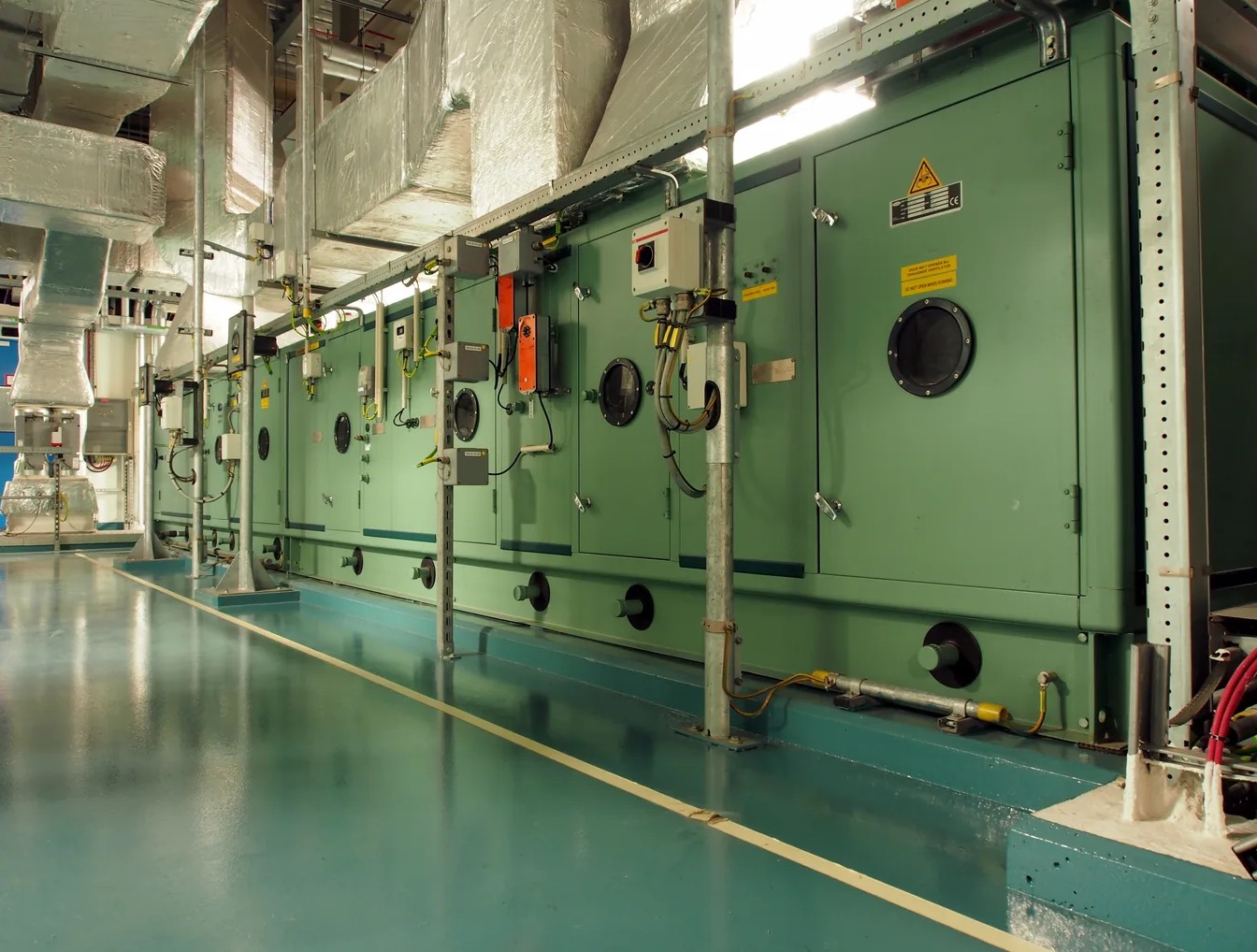
Comprehensive HVAC Fire Damage Cleanup Serving Boca Raton
For homes in Boca Raton, cleaning soot from vents is a key post-fire recovery step to improve indoor air. Soot inhalation poses health risks, making prompt professional cleanup a priority.
In Boca Raton and nearby locales like Boca Del Mar, Deerfield Beach and Sandalfoot Cove, odor removal after fire in HVAC is common. Odor particles bind to dust and ducts. Local soot removal specialists use oxidation during duct sanitization to break them down.
The HVAC Fire Damage Cleanup Process in Boca Raton
Emergency HVAC System Shutdown
Emergency HVAC system shutdown is the first action after a fire. Running the system spreads soot and smoke to every room. A professional can safely secure the system at the breaker.
Air Quality Testing Post-Cleanup
Post-cleanup air testing is a quality assurance step. It compares air samples from ducts and living space to baseline standards. This ensures cleaning successfully removed fire-related contaminants for a healthy environment.
HVAC Fire Damage Cleanup
Professional cleanup prevents ongoing soot and odor circulation. The specialists follow IICRC-standard methods for HVAC fire damage cleanup in Boca Raton. The process includes assessment and careful cleaning of ducts and components.
HVAC Soot
Following a fire, soot and debris can coat HVAC components, reducing efficiency. The specialists in Boca Raton carefully remove these particulates from the unit, blowers, and ductwork to restore proper airflow.
Smoke Odor Neutralization
Neutralizing stubborn odors may involve thermal fogging or ozone treatment. These methods penetrate crevices and react with odor-causing compounds. It is a critical final step for the HVAC system.
Signs Your Boca Raton Home Needs HVAC Soot Removal
Musty Smell Mixed With Smoke
A combination of smoky and musty odors can indicate mold growth fueled by moisture used during firefighting efforts in ducts.
Discoloration on Walls Near Vents
Yellow or brown staining on walls or ceilings around air vents suggests soot-laden air is being distributed from the ducts.
Uneven Heating or Cooling Post-Fire
Temperature inconsistencies in different rooms can be caused by blocked vents or registers from fire damage air quality issues.
HVAC System Is Noisy or Struggling
Unusual sounds or strain from your HVAC unit may indicate soot buildup on critical components like the blower motor.
How HVAC Fire Damage Cleanup Works in Boca Raton
Step 1: Emergency HVAC System Shutdown
The first critical action is to safely power down the heating and cooling system. This prevents the spread of soot and smoke residues throughout the entire property's ductwork after a fire event.
Step 2: Comprehensive Air Duct Soot Removal
Using specialized brushes and negative air machines, the specialists agitate and extract soot deposits from all accessible duct surfaces. This targets the primary source of contamination and odor.
Step 3: Blower Motor and Coil Cleaning
Key mechanical components are carefully cleaned. Soot is removed from the blower assembly, fan blades, and evaporator coils to restore efficiency and prevent corrosion from acidic residues.
Step 4: Post-Cleanup Air Quality Verification
After cleaning, air quality testing post-cleanup may be performed. This helps verify the effectiveness of the HVAC fire damage cleanup process and ensures the air is safe to breathe.
Causes of Soot in Ducts for HVAC Fire Damage Cleanup
Thermal Expansion During the Fire
Intense heat can cause metal ductwork to expand and contract, potentially opening seams that allow soot to enter enclosed spaces.
Smoke Penetration Through HVAC Seams
Smoke particles are extremely fine and can infiltrate through small gaps and seams in ductwork, contaminating spaces between walls.
Water and Chemical Residue From Firefighting
Water and fire retardant chemicals used to extinguish flames can mix with soot, creating a corrosive slurry inside air ducts.
Chemical Residues From Burning Materials
Modern furnishings and building materials release acidic, corrosive chemicals when burned, which coat and damage HVAC components.
HVAC Fire Damage Cleanup for Homes and Businesses in Boca Raton
Residential HVAC Fire Damage Cleanup
A home's HVAC system needs attention after fire damage. Procedures like air duct smoke damage cleanup and odor removal require specific tools. The specialists focus on these to safeguard the home's air.
Commercial HVAC Fire Damage Cleanup
For office or retail spaces, fast HVAC fire damage cleanup limits operational interruption. The process includes emergency shutdown, thorough duct cleaning, and final air quality testing to ensure the environment is professionally restored.
The Risks of DIY HVAC Fire Damage Cleanup in Boca Raton
Wipe down accessible exterior vent covers with a damp cloth to remove surface soot. Do not use chemical cleaners or clean inside ducts. For vent cleaning for smoke damage, rely on the specialists.
Pricing for HVAC Fire Damage Cleanup in Boca Raton
Your final investment for HVAC system restoration after a fire is shaped by whether emergency HVAC system shutdown was required and the complexity of blower motor and coil cleaning.
Required Decontamination Steps
Projects needing full post-fire duct sanitization and smoke odor neutralization involve additional specialized equipment and cleaning agents.
Emergency Service Needs
If emergency HVAC system shutdown and professional service are required, it can influence the project's initial mobilization and assessment phase.
Filter and Part Replacement
The number of HVAC filters needing replacement and any components damaged by heat or soot impact material costs.
Does Insurance Cover HVAC Fire Damage Cleanup?
Insurance coverage for HVAC fire damage cleanup is set by the homeowner's policy. The pros document soot removal from air ducts. Homeowners should confirm coverage directly with their insurer.
The Value of Local Soot Removal Specialists for HVAC Fire Damage Cleanup
Thorough Vent and Register Cleaning
Focus on cleaning soot from vents ensures airflow pathways are clear and contaminants are removed from accessible surfaces.
Detailed System Assessment
Inspection covers all components, from vents to the blower motor, to plan an effective fire damaged HVAC duct cleaning strategy.
Post-Cleanup Air Quality Verification
Air quality testing post-cleanup provides tangible data that the HVAC system restoration after fire has achieved a healthier environment.
24/7 Emergency HVAC Fire Damage Cleanup in Boca Raton
Emergency HVAC cleaning services can prevent costly secondary damage from acidic soot. To schedule an emergency response for air duct smoke damage cleanup in Boca Raton, call (561) 794-2954 at any hour.
Call Now (561) 794-2954HVAC Fire Damage Cleanup Near Boca Raton: Areas Served
Fire damage air quality testing and complete duct cleaning are key after a fire event. These services are available for properties in Boca Raton, also serving Boca Del Mar, Deerfield Beach and Sandalfoot Cove and the wider region.
HVAC Fire Damage Cleanup FAQs
When are emergency HVAC cleaning services needed?
Immediate service is needed when soot is actively circulating or to perform an emergency HVAC system shutdown, which prevents further distribution of contaminants after a fire.
Can HVAC fire damage cleanup prevent future issues?
Yes, thorough cleaning removes corrosive soot that can degrade metal components and eliminates odor sources, helping prevent premature system failure and persistent smells.
Why is soot removal from air ducts urgent after a fire?
Soot is acidic and corrosive, potentially damaging HVAC components and circulating harmful particulates. Prompt fire damaged HVAC duct cleaning prevents secondary damage and protects your indoor environment.
What does air quality testing post-cleanup measure?
It measures airborne particulate levels to objectively confirm the effectiveness of the HVAC fire damage cleanup, ensuring the indoor environment meets health and safety benchmarks.
What steps are part of HVAC system restoration after fire?
Steps typically are emergency shutdown, detailed inspection, thorough cleaning of all components, replacement of damaged parts like filters, sanitization, and final air quality verification to ensure completeness.