Lake Worth Corridor, FL · Palm Beach County
Desiccant Dehumidification in Lake Worth Corridor, FLFlood Drying Services & Crawl Space Drying
Desiccant Dehumidification in Lake Worth Corridor includes water damage dehumidification, construction drying services and mold prevention drying.
Answered 24/7
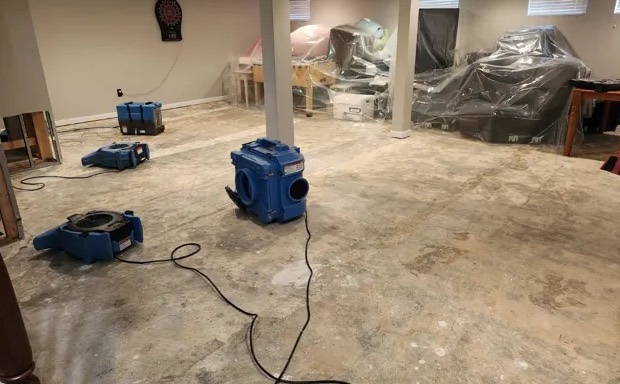
Expert Desiccant Dehumidification for Lake Worth Corridor Properties
After a fire in Lake Worth Corridor, the water used to put it out soaks rooms well beyond the burned area. That water needs to come out before rebuilding.
Homes, job sites and commercial buildings in Lake Worth Corridor and nearby Greenacres, Palm Springs and Lake Worth Beach sometimes need more drying power than standard equipment provides. Help with desiccant dehumidification covers those cases.
Desiccant Dehumidification Methods Used in Lake Worth Corridor
Flood Drying Services
Floodwater is treated as contaminated, so soaked porous materials are removed and surfaces cleaned before drying starts.
Crawl Space Drying
Readings on the wood framing are taken at each visit until they return to normal levels.
Construction Drying Services
New construction can trap moisture in concrete, drywall mud and framing. Desiccant units help dry the building before finishes go in.
Mold Prevention Drying
Drying continues until readings on the remaining framing are normal, before walls are closed up again.
Firefighting Water Drying
After a fire, water used by firefighters soaks walls, floors and ceilings. Desiccant drying helps dry those materials once debris is cleared.
When to Consider Desiccant Dehumidification in Lake Worth Corridor
Visible Condensation on Windows
Windows that fog or drip inside show the air holds too much moisture for materials to dry.
Cold, Damp Feeling in Air
Air that feels cold and damp, especially in lower levels, can be too cool for standard dehumidifiers to work well.
Musty Smell in Stored Items
Boxes and fabrics that smell musty show the space has stayed damp too long.
Spongy Drywall or Soft Spots
Drywall that feels soft or spongy has absorbed water and may need removal if it does not dry.
How Desiccant Dehumidification Works in Lake Worth Corridor
Step 1: Moisture Mapping
Readings across walls, floors and framing show exactly where moisture remains in the building.
Step 2: Equipment Placement
Dehumidifiers and air movers are placed where the moisture readings are highest.
Step 3: Continuous Moisture Extraction
Drying runs until the wettest areas match the rest of the building.
Step 4: Confirmation and Reporting
A report shows the starting and final moisture readings for each area that was dried.
Origins of Dampness and Desiccant Dehumidification in Lake Worth Corridor Buildings
Roof Leaks From Damaged Shingles
Roof leaks from damaged shingles soak attic insulation, roof decking and the ceilings below.
Appliance Malfunctions and Overflows
Washers, dishwashers and water heaters that leak leave wet floors, cabinets and walls.
Plumbing Leaks or Pipe Bursts
Burst pipes and leaking supply lines soak walls and floors that then need drying.
New Construction Moisture Trapped
New concrete, drywall mud and framing on job sites hold moisture until they are dried.
Desiccant Dehumidification for All Property Types in Lake Worth Corridor
Residential Desiccant Dehumidification
Homes with wet attics after roof leaks may need attic drying equipment placed carefully on boards for safe footing.
Commercial Desiccant Dehumidification
Schools, offices and medical buildings may schedule equipment setup and removal after hours to limit disruption to staff and visitors.
Why DIY Falls Short for Desiccant Dehumidification in Lake Worth Corridor
Do not run drying equipment on materials soaked by sewage or floodwater before they are cleaned or removed, since that spreads contamination through the house.
Understanding Desiccant Dehumidification Expenses in Lake Worth Corridor
The cost of desiccant dehumidification in Lake Worth Corridor depends on the size of the wet area, how wet the materials are and how long the equipment needs to run.
Type of Water Damage
Floodwater and sewage need cleaning and removal of materials before drying, which adds cost.
Moisture Saturation Level
Materials that are fully soaked take longer to dry than lightly damp ones.
Access and Complexity
Crawl spaces, tight areas and large buildings take more effort to set up and monitor.
Does Insurance Cover Desiccant Dehumidification?
Insurers often want proof that drying was needed and that it worked. Starting and final moisture readings from the job show both.
Selecting Local Pros for Desiccant Dehumidification in Lake Worth Corridor, Florida
Detailed Moisture Documentation
Daily humidity and moisture readings are logged to show progress and support insurance claims.
Structural Drying
Walls, floors and framing are dried, not just the air in the room.
Damage Assessment
The full affected area is checked, including rooms next to and below the source.
24/7 Emergency Desiccant Dehumidification in Lake Worth Corridor
The sooner drying starts, the fewer materials need replacing. Call (561) 794-2954 for desiccant dehumidification in Lake Worth Corridor right after a leak or flood.
Call Now (561) 794-2954Desiccant Dehumidification Near Lake Worth Corridor: Areas Served
Help with desiccant dehumidification is also available in communities near Lake Worth Corridor, including Greenacres, Palm Springs and Lake Worth Beach, for floods, crawl spaces and commercial buildings.
- Desiccant Dehumidification in Greenacres
- Desiccant Dehumidification in Palm Springs
- Desiccant Dehumidification in Lake Worth Beach
- Desiccant Dehumidification in Lantana
- Desiccant Dehumidification in Boynton Beach
- Desiccant Dehumidification in West Palm Beach
- Desiccant Dehumidification in West Gate
- Desiccant Dehumidification in Wellington
- Broken Pipe Repair Services in 33463
- Storm Damage Restoration in 33463
- Water Damage Restoration in 33463
- Water Extraction Service in 33463
- Water Removal Service in 33463
Common Desiccant Dehumidification Questions Answered
Can desiccant dehumidification help prevent mold?
Yes. Lowering humidity and drying materials quickly is one of the main ways to keep mold from starting.
How does a desiccant dehumidifier work differently?
It passes air over a material that absorbs moisture instead of cooling the air, so it keeps working in cool conditions.
Why use desiccant drying after a fire?
Firefighting water soaks large areas, and high-capacity drying helps remove that moisture once debris is cleared.
How do rapid drying methods protect my property?
They dry materials before they swell, warp or grow microbes, which keeps repairs smaller.
How long does crawl space drying typically take?
Often several days, depending on how wet the framing is and how cool and damp the space stays.