Scott Lake, FL · Miami-Dade County
Attic Water Extraction in Scott Lake, FLEmergency Attic Water Extraction & Attic Moisture Inspection
For a storm leak, Attic Water Extraction in Scott Lake means wet attic insulation removal, attic leak water cleanup and attic drying services.
Answered 24/7
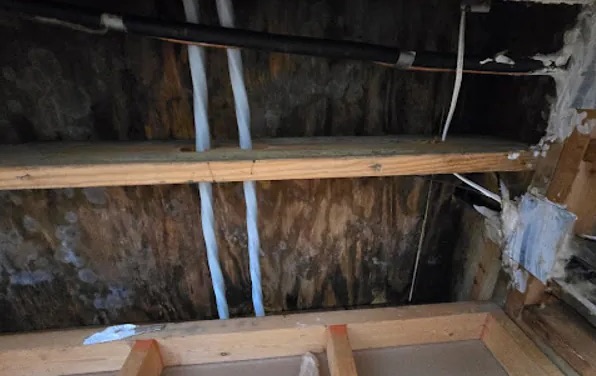
Attic Water Extraction Response in Scott Lake
Attic water is hard to reach. Joists are narrow, headroom is low and the ceiling drywall cannot hold a person's weight. In Scott Lake, extraction in an attic takes boards, lighting and careful footing.
Homeowners in Scott Lake can call (561) 794-2954 day or night when water is coming through the ceiling. Service also covers Miami Gardens, Carol City and Norland, with the same extraction and drying steps.
Comprehensive Attic Water Extraction Services in Scott Lake
Emergency Attic Water Extraction
When rain or a burst attic pipe floods the attic floor, water is vacuumed off the decking and drywall tops before it soaks through to the rooms below.
Attic Moisture Inspection
Moisture meters and thermal cameras check decking, rafters, insulation and ceiling drywall for water that is not visible.
Wet Attic Insulation Removal
Insulation is removed only where it got wet. Dry insulation nearby is left in place and protected during the work.
Attic Drying Services
Drying runs until wood framing and ceiling drywall reach normal readings. Equipment is moved as each area dries.
Ceiling Water Damage Cleanup
The ceiling under a wet attic is checked with a meter. Damp drywall may dry in place, while sagging drywall is drained and removed.
Indicators of Attic Water Damage in Scott Lake
Puddles or Standing Water
Pooled water on the attic floor or on top of drywall needs extraction right away.
Peeling Paint or Wallpaper
Paint that bubbles or peels on upstairs ceilings often has water behind it.
Condensation on Attic Surfaces
Droplets or damp patches on the underside of the roof decking point to a moisture and ventilation problem.
Musty Odors From Attic
A musty smell from the attic hatch or upstairs rooms often points to wet insulation or wood.
How Attic Water Extraction Works in Scott Lake
Step 1: Attic Leak Source Identification
The pros trace the water to the roof, a pipe or the AC pan and stop it with a tarp or shut-off.
Step 2: Flooded Attic Cleanup
Water, wet debris and fallen insulation are removed, and stored items are moved out of the attic.
Step 3: Structural Drying Setup
Equipment is placed to dry the framing and decking, with the room below checked and dried too.
Step 4: Attic Mold Prevention Treatment
Once dry, wood that stayed wet for days can be cleaned and treated with an antimicrobial.
What Leads to Attic Water Extraction Needs in Scott Lake
Condensation From Poor Ventilation
Warm, moist air from the house condenses on roof decking when the attic lacks ventilation.
Aging or Deteriorated Roofing Materials
Old, curled or cracked shingles and worn underlayment let water through during heavy rain.
Roof Leaks From Storm Damage
Wind and hail can lift or break shingles, letting rain reach the decking and the attic floor.
Skylight or Chimney Flashing Failure
Worn flashing around skylights and chimneys lets rain run down into the attic.
Attic Water Extraction Across Property Types in Scott Lake
Residential Attic Water Extraction
In two-story homes, attic leaks can reach upstairs ceilings and run down into walls. Each wet area is checked with a meter and dried.
Commercial Attic Water Extraction
Flat-roof buildings often have leaks that travel far before they drip. The water path above the ceiling is traced so no wet section is missed.
Why DIY Attic Water Extraction Often Fails in Scott Lake
A bulging ceiling can drop without warning. Keep everyone out of the room below, put a bucket nearby and call local water removal experts to drain it safely.
The Cost of Attic Water Extraction in Scott Lake
Storm calls, tight attic access, insulation replacement and ceiling repair all add to the total for attic water extraction in Scott Lake.
Material Removal Needs
Wet insulation and ceiling drywall that must be removed add labor and disposal costs.
Emergency Service Timing
Night, weekend and storm calls can cost more than a scheduled visit.
Required Drying Time
Dense framing and decking can take several days to dry, adding equipment time.
Does Insurance Cover Attic Water Extraction?
Coverage for attic water extraction depends on the cause of the leak and your policy. The pros record the damage and drying, and your insurer decides the rest.
The Value of Local Pros for Attic Water Extraction
Wet Insulation Handling
Wet insulation is bagged and removed without spreading debris into the living space.
24/7 Emergency Response
Help is available day or night when a storm or burst pipe puts water in the attic.
Industry Extraction Standards
Extraction and drying follow industry water damage standards, with readings at every visit.
Around-the-Clock Attic Water Extraction in Scott Lake
Water in the attic soaks the ceiling below fast. Call (561) 794-2954 for attic water extraction in Scott Lake at any hour, including storms and holidays.
Call Now (561) 794-2954Attic Water Extraction for Scott Lake and Surrounding Communities
Help with attic water extraction reaches Miami Gardens, Carol City and Norland, plus other communities around Scott Lake, for houses, townhomes and commercial buildings.
Your Attic Water Extraction Questions in Scott Lake, FL
Why is wet insulation removal often necessary?
Soaked insulation stays wet for a long time, adds weight to the ceiling and loses its insulating value.
What causes attic water damage?
Roof leaks, attic plumbing failures, overflowing AC drain pans, poor ventilation and bath fans venting into the attic.
Can I remove attic water myself?
Small drips onto plastic can be handled, but pooled water and soaked insulation need safe footing, equipment and drying.
How do I know if I need emergency water extraction in the attic?
If water is dripping, the ceiling is bulging or stained, or you can see pooled water in the attic, call right away.
What equipment is used for attic drying services?
Air movers, dehumidifiers, moisture meters and thermal cameras, plus wet vacs and HEPA vacuums for water and insulation removal.